WEBSITE TERMS
PHOTOGRAPHER
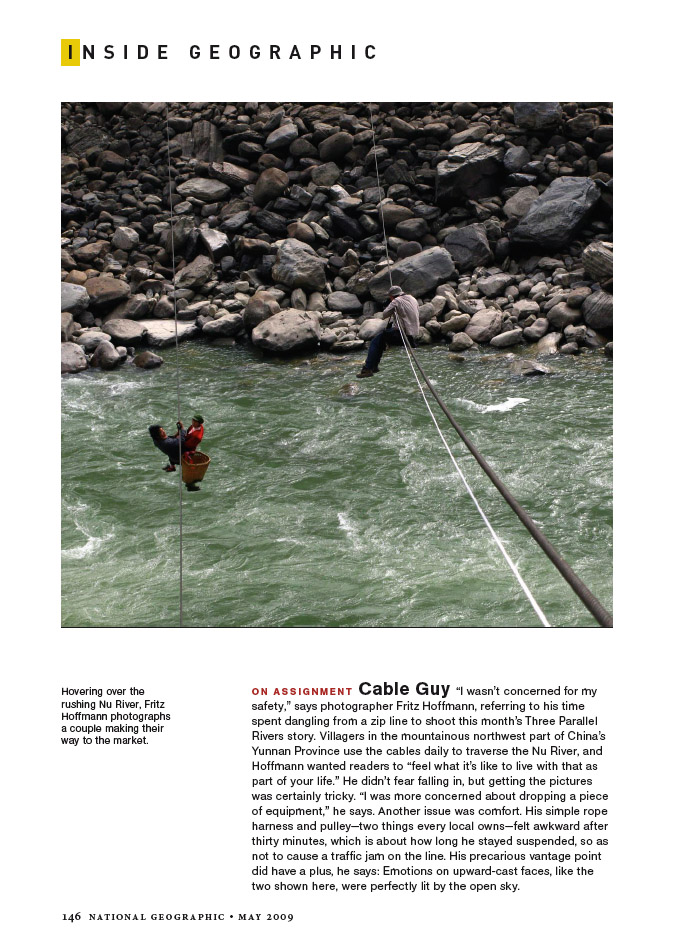
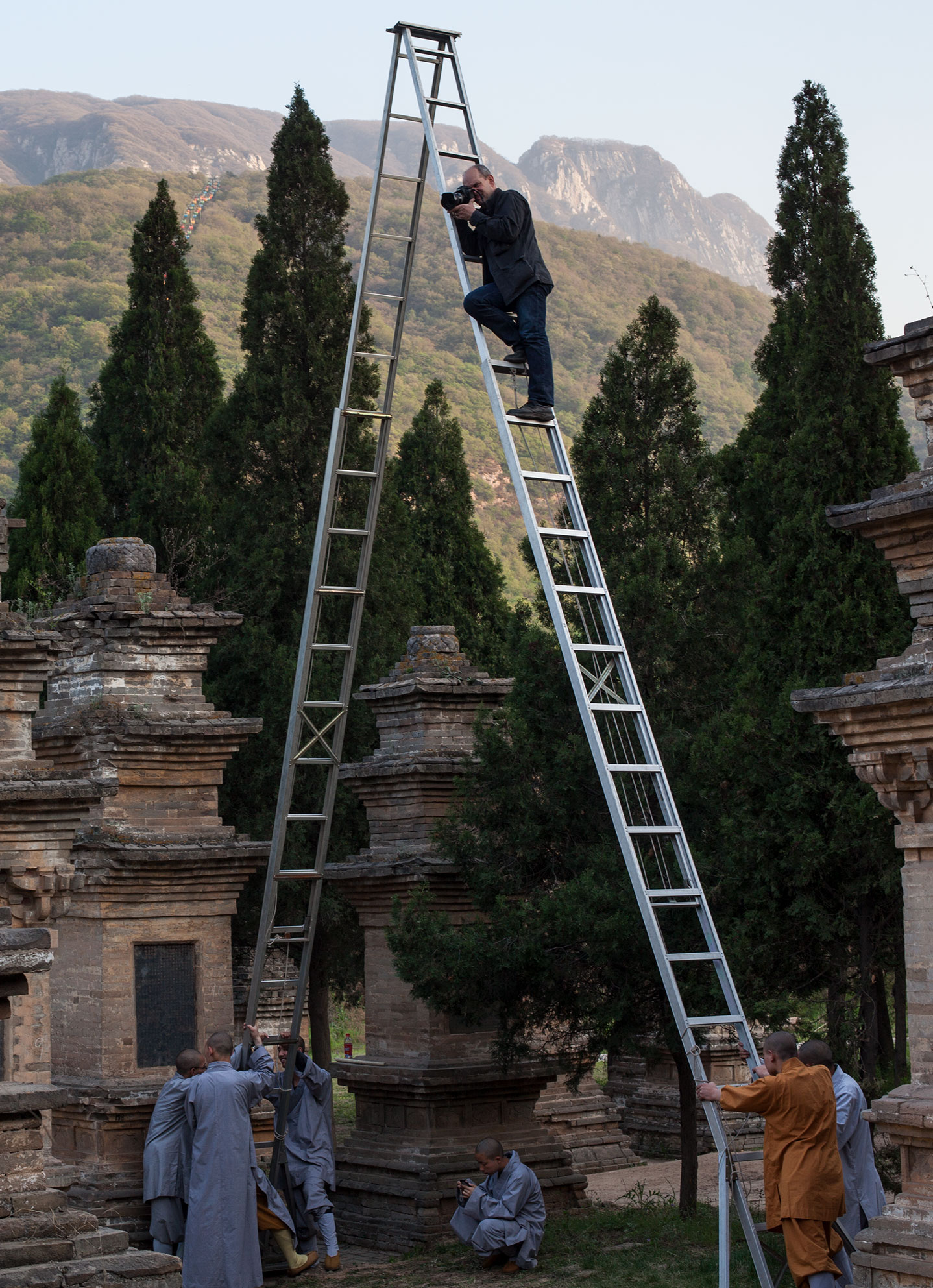
Fritz Hoffmann has built his career as an independent photographer working on location for editorial media across the Americas, Europe and Asia. A native of Seattle, Washington, he has photographed in places ranging from Central America and the Middle East to Greenland, Southeast Asia, Mexico and China. China has been the central focus of his work since 1994.
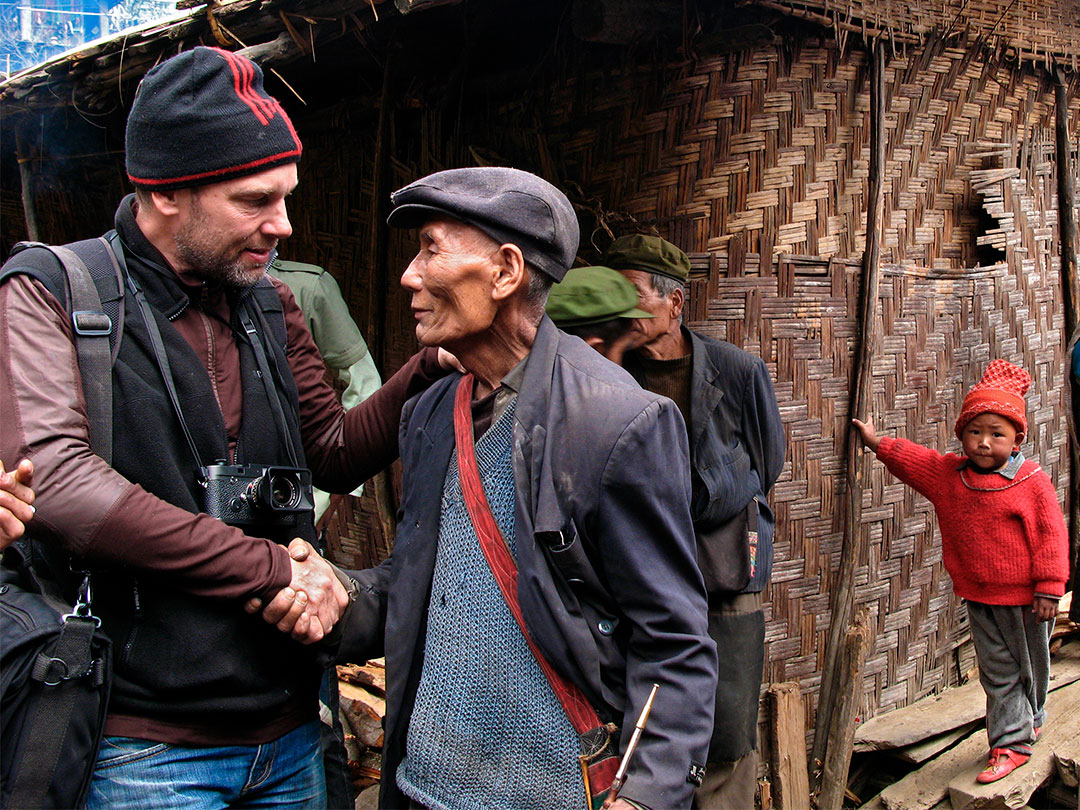
In the early 1990s, Hoffmann was based in Nashville, Tennessee, and traveled throughout the United States on assignment for publications including TIME, NEWSWEEK, U.S. NEWS & WORLD REPORT, FORTUNE, BUSINESSWEEK, and LIFE. Covering business and industry, he became increasingly interested in the forces reshaping the global economy and, in particular, China’s emerging role.
In 1994, standing on Shanghai’s Yan’an Road, Hoffmann was transfixed by the chaotic energy of a city of 12 million people in the early stages of reform and opening. He had long wished he could have photographed America during its industrial transformation. Shanghai offered a rare opportunity to witness something similar: a society undergoing extraordinary change, and to document a fleeting moment in China’s long history.
At the time, no foreign photographers were based in Shanghai, and Chinese photographers were not permitted to supply images to foreign media. As the central government embarked on an ambitious transformation of Shanghai and multinational companies moved manufacturing to China, Hoffmann saw an opportunity to make the city his home base.
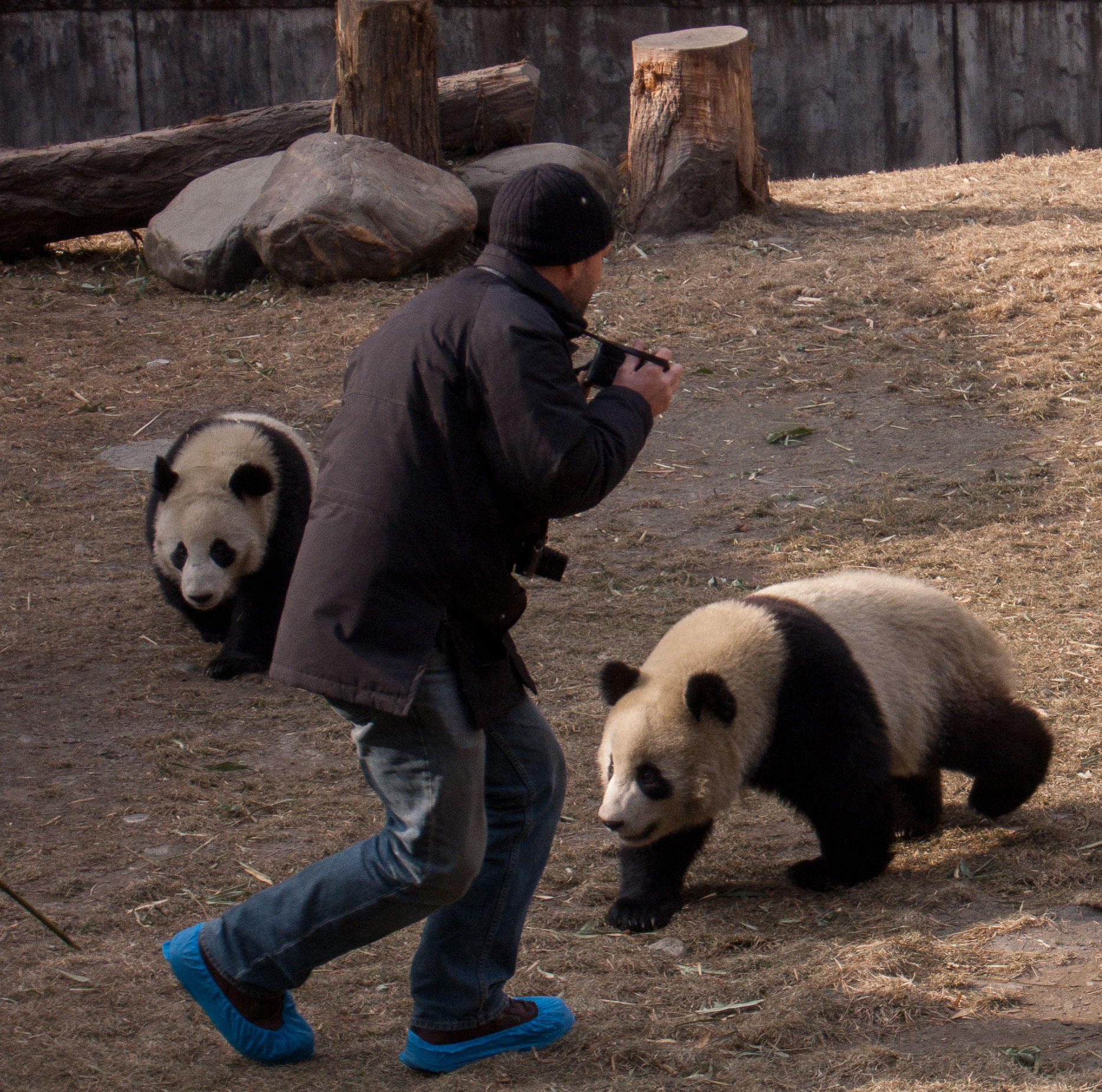
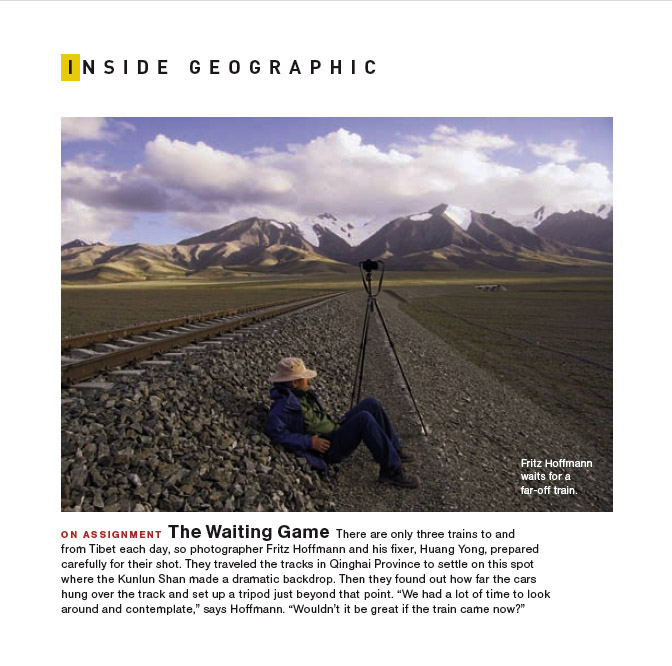
On August 8, 1995—a date his Chinese travel agent in New York’s Chinatown chose—Hoffmann returned to Shanghai determined to stay and document the country through this period of historic change. Shanghai was then considered a hardship post for foreigners. Unlike expatriates working for multinational corporations, who lived within corporate and diplomatic networks, Hoffmann was an independent photographer working at his own expense. He had to learn the language, culture, and customs while navigating a political system unfamiliar to him. He began studying Mandarin at East China University of Science and Technology and later at Shanghai University Academy of Fine Art.
In spring 1997, Hoffmann became the first foreign photographer since the Communist revolution of 1949 to receive journalist accreditation from China’s Ministry of Foreign Affairs, with permission to reside in Shanghai. With his accreditation and resident visa, he opened the Shanghai bureau of the acclaimed British picture agency Network Photographers as its China Bureau Chief.
The accreditation brought rare access, including to Party Congresses in Beijing’s Great Hall of the People, but it also brought increased scrutiny and restrictions on his movements. Whether photographing AIDS villages in Henan Province or migrant construction workers in Shanghai’s rapidly developing Lujiazui district, Hoffmann worked within the constraints foreign journalists face in China.
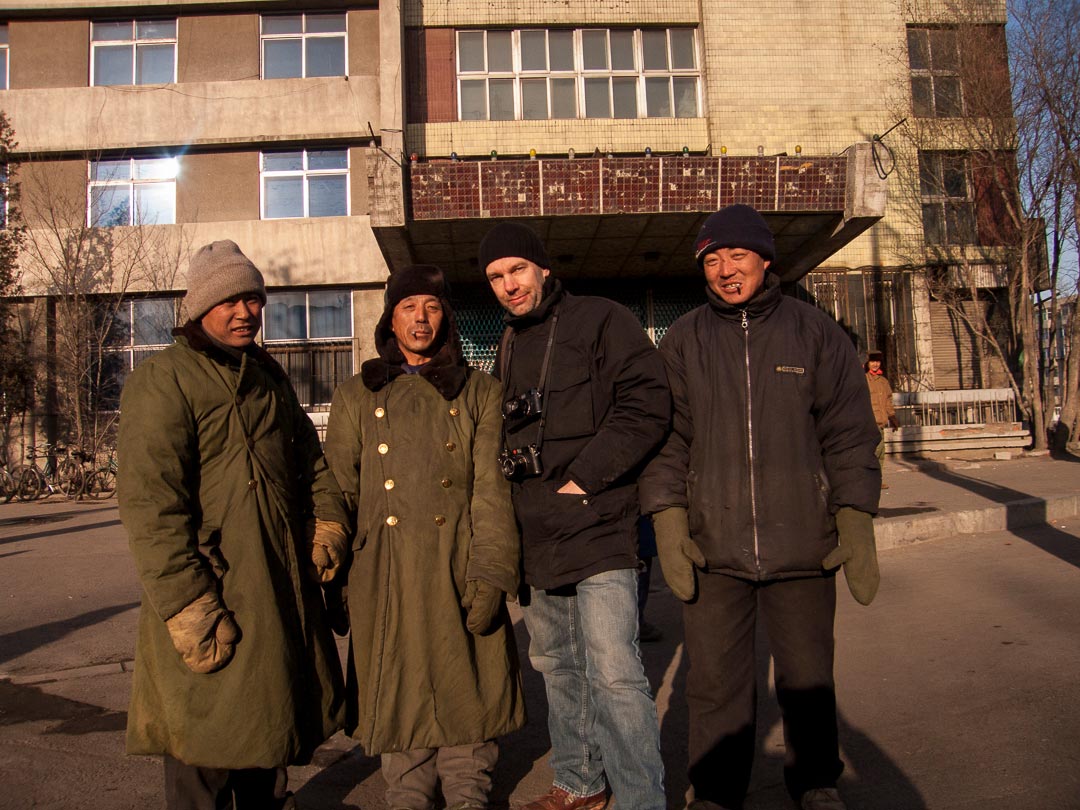
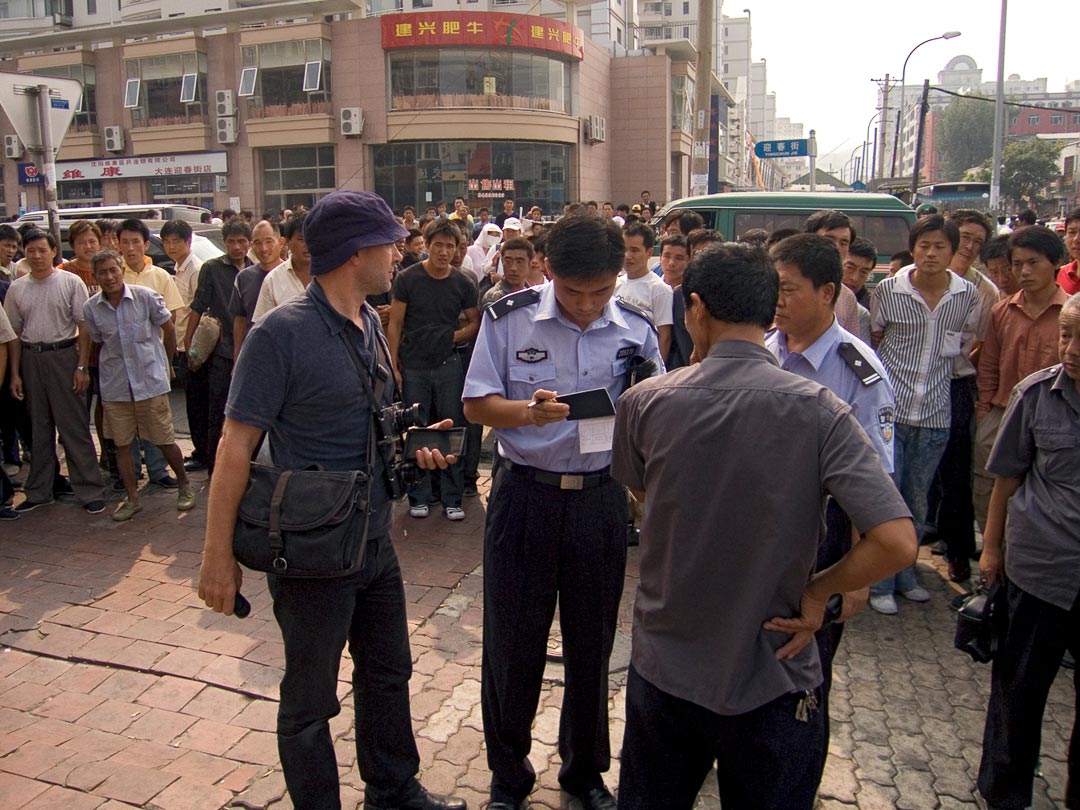
As a full-time resident, he maintained a demanding schedule, traveling throughout China on assignment, collaborating with correspondents and pursuing personal projects. He photographed in factories and skyscrapers, minority villages and urban homes, along new highways and old waterways—from China’s major municipalities to its rural provinces. His work followed the country as it transformed from a largely closed society into the global economic power it is today.
Shanghai remained Hoffmann’s home until after the 2008 Beijing Olympics. He then moved with his wife, Kathya Landeros, to Guanajuato, Mexico, while continuing to make the long journey back to China for assignments, including stories for NATIONAL GEOGRAPHIC magazine.
Today, Hoffmann lives in Boston, Massachusetts. Although he no longer dreams in Mandarin, his connection to China remains strong, and he returns whenever possible.